
In short: For a Tanzania safari in 2027, plan 5 to 7 days, travel in the dry season (June to October) for the best game viewing, carry a valid passport, visa and travel insurance, and book early with Salinero Hotels in Moshi and the Serengeti.
At a glance
- • Best time for most travellers
- The dry season, from June to October, when animals gather near water and roads are easier to drive.
- • Other good times
- January to March for wildebeest calving in the south, and the green season for fewer crowds and lower prices.
- • Recommended length
- 3 days at the very least, 5 to 7 days for the best experience, and 8 to 10 days if you also want to climb Kilimanjaro or visit Zanzibar.
- • Main parks
- Serengeti, Ngorongoro Crater, Tarangire, Lake Manyara and Arusha National Park.
- • Key documents
- Valid passport, visa, yellow fever certificate if required, travel insurance, flight tickets and booking confirmations.
- • What to pack
- Light neutral clothes, warm layers, a hat, sunscreen, comfortable shoes, binoculars, camera and any personal medicine.
- • Best advice
- Book your lodges and safari early, especially for the peak months of 2027.
Cite as: Salinero Hotels, “Tanzania Safari 2027: Full Planning Guide for Beginners”, https://salinerohotels.com/j/4ske4, verified 17 November 2026.
A Tanzania safari is one of the best trips you can take in Africa. You can watch lions rest under acacia trees, see elephants walk past your tent, and look across plains that seem to have no end. But a great safari needs good planning.
If you want to travel in 2027, now is a good time to start. Popular lodges and camps fill up early, and the best dates go first. This guide explains what to know before you come to Tanzania, how to choose the right safari, how many days to plan, what to pack, and which documents to carry. We use simple words, so you can plan with confidence.
What to Know Before Coming to Tanzania
Tanzania in short Tanzania is in East Africa. It is home to Mount Kilimanjaro, the Serengeti, Ngorongoro Crater and the beaches of Zanzibar. Most safari travellers arrive at Kilimanjaro International Airport, near Moshi and Arusha, or at Julius Nyerere International Airport in Dar es Salaam.
Weather and seasons Tanzania has a dry season and a rainy season. Each one offers something different. • Dry season (June to October): The best time for game viewing. Skies are clear, and mornings and nights are cool. • Short rains (November to December): The land is green, there are fewer visitors, and you may see some rain. • Calving season (January to March): Many wildebeest calves are born in the southern Serengeti area, and the weather is warm. • Long rains (March to May): Heavy rain, the lowest prices, and some camps close. Weather can change from year to year, so ask your safari planner for the latest advice before you book.
The Great Migration Every year, large herds of wildebeest and zebra move across the Serengeti and Masai Mara ecosystem in search of fresh grass. The herds do not follow an exact calendar, so it is wise to plan around the general season and not a single date. The central Serengeti, around Seronera, is a strong choice because it has good wildlife viewing for much of the year.
Money and costs • Park fees, guide fees and vehicle costs make up a large part of a safari price. • US dollars are widely accepted in tourism, and the local currency is the Tanzanian shilling. • Carry some small cash for tips and small purchases, and check if your hotel and camp accept cards.
Health and safety • Visit a travel doctor several weeks before your trip to ask about vaccines and malaria prevention. • Drink bottled or treated water. • Always follow your guide's instructions in the parks. • Never leave your tent at night in a camp unless a staff member escorts you.
Culture and respect Tanzanians are warm and welcoming. A simple "Jambo" (hello) goes a long way. Ask permission before taking photos of local people, and dress modestly when you visit villages. How to Choose the Right Safari There is no single best safari. The right one depends on your time, budget and interests. Ask yourself these questions.
1. What do you want to see?
• Big cats and big herds: The Serengeti is the classic choice. • Wildlife in a crater: Ngorongoro Crater is a compact, scenic area with a high chance of seeing many animals in one day. • Elephants and baobab trees: Tarangire National Park. • Birdlife and lake views: Lake Manyara. • A short first taste: Arusha National Park.
2. When are you travelling?
Match your park to the season. Ask your planner which area is best during your travel month.
3. What is your budget?
Safaris range from budget camping to luxury tented camps. Compare what is included: park fees, meals, drinks, transfers, game drives, and a guide.
4. Private or group safari?
A private safari gives you flexibility and your own vehicle. A group safari can cost less per person. Families and photographers usually prefer private trips.
5. What comfort level do you want?
Camping is simple and close to nature. Lodges give you comfortable rooms. Luxury tented camps blend the bush feel with high comfort. At Salinero Serengeti, for example, guests stay in canvas tents with king or twin beds, an open-air bathroom and fine linens, while still hearing the sounds of the wild.
6. Are you travelling with children?
Check the age rules of the lodges and the safari company. Ask about family rooms. Salinero Serengeti has a family room for families.
7. Choose a trusted operator
Look for a licensed company with good recent reviews, clear prices and a written itinerary. Ask what is included and what is not.
How Many Days Should You Plan for a Safari?
The number of days changes what you can see and how relaxed you feel. Here is a simple guide. • 2 to 3 days: A short first taste. You can visit one or two parks, such as Tarangire and Ngorongoro Crater.
• 4 to 5 days: Good for most first-time visitors. You can enjoy the northern circuit, with the Serengeti and Ngorongoro Crater.
• 6 to 7 days (recommended): A calmer trip that includes the Serengeti, Ngorongoro, Tarangire and Lake Manyara.
• 8 to 10 days: More time in the Serengeti, plus extra parks or cultural visits.
• 10 days or more: Best for combined trips with Kilimanjaro, Zanzibar or both.
Our advice: Plan at least 5 days if you can. The roads in northern Tanzania can be long, so very short safaris often feel rushed. Add one night in Moshi before and after your trip to rest and recover from flights. Salinero Kilimanjaro on Lema Rd is a comfortable base for this.
What to Pack for a Tanzania Safari
Pack light and smart. Many small planes have strict luggage limits, so soft bags are better than hard suitcases. Clothing
• Light, neutral-coloured clothes in khaki, beige, olive or brown
• Long-sleeved shirts and long trousers for sun and insect protection
• A warm fleece or jacket for cold mornings and evenings
• A light rain jacket, especially in the rainy months
• Comfortable closed shoes or light boots, plus sandals for camp
• A wide-brimmed hat, sunglasses and a scarf for dust Avoid camouflage clothing, since it is not allowed for civilians in Tanzania. Also avoid very bright colours and dark blue or black, which can attract insects.
Health and personal items
• Sunscreen and lip balm
• Insect repellent
• Any personal medicine in its original packaging, with a doctor's note if needed
• Hand sanitiser and wet wipes
• A small first-aid kit
Gear
• Binoculars
• Camera with spare batteries and memory cards
• Power bank and a travel adapter (Tanzania mostly uses Type D and Type G sockets)
• A reusable water bottle
• A small daypack
Some camps give extras to guests. Salinero Serengeti, for example, places binoculars, boots and sun protection in every tent, but confirm this when you book.
Things to leave at home
• Plastic carrier bags, which are banned in Tanzania • Camouflage clothing • A drone, unless you have the proper permit
Important Documents to Carry
Keep your documents together in a waterproof folder and save digital copies on your phone and email.
- Passport: Check the validity rules before you book. Most countries need your passport to be valid for at least six months from arrival, with blank pages.
- Visa: Many visitors need a visa, which can be applied for online before travel. Check the latest rules for your nationality.
- Yellow fever certificate: Required if you arrive from, or pass through, a country with a risk of yellow fever. Ask your travel doctor.
- Travel insurance: Choose a policy that covers medical care, emergency evacuation, trip cancellation and lost baggage.
- Flight tickets and itinerary: Print or save offline.
- Hotel and safari confirmations: Keep written confirmation of all bookings.
7. Vaccination records: Carry any records your doctor gives you.
8. Driver's licence: Needed only if you plan to drive.
- Emergency contacts: Your embassy, insurance company and family.
10. Some cash and a bank card: Tell your bank you will be travelling.
Entry rules can change, so confirm the latest requirements with the official Tanzanian immigration website or your nearest embassy before you travel.
Simple Planning Timeline for 2027
• 9 to 12 months before: Choose your dates and parks, and book lodges and camps.
• 6 months before: Book flights, check your passport, and talk to a travel doctor.
• 3 months before: Apply for your visa and buy travel insurance.
• 1 month before: Confirm all bookings, send arrival details, and start packing.
• 1 week before: Reconfirm transfers, download offline maps, and check the weather.
Common Mistakes to Avoid
- Booking too late and missing your preferred lodge or dates.
- Trying to see too much in too few days.
- Packing too much or using hard suitcases.
- Skipping travel insurance.
- Choosing only on price without checking what is included.
- Ignoring the season and expecting the same wildlife in every month.
- Forgetting the documents or letting your passport run close to expiry.
- Not allowing a rest day after long international flights.
Where to Stay in Kilimanjaro and the Serengeti
Where you sleep shapes your trip. A good hotel before your safari helps you rest after long flights, and a good camp in the park puts you close to the animals. Salinero Hotels offers both, one in Moshi and one in the Serengeti.
Salinero Kilimanjaro, Moshi **
Salinero Kilimanjaro is on Lema Rd in Moshi, about 40 km from Kilimanjaro International Airport and 4 to 5 km from the town centre. It has views of Mount Kilimanjaro, a calm garden setting and modern, low-rise buildings that blend into nature.
• Rooms: 23 standard rooms and 4 executive rooms. Rooms can be set up as single, twin or triple.
• Food and drinks: Indoor and outdoor restaurants and bars.
• Relaxing: Swimming pools, a spa that also welcomes walk-in guests, and manicured gardens.
• Useful extras: Airport transfers, Wi-Fi, secure parking, laundry, and a gift and curio shop.
• Meetings and events: 3 conference rooms, plus a large garden for small birthdays, celebration dinners and wedding photoshoots.
Best for: The night before or after your safari, climbers resting after Kilimanjaro, couples, families, solo travellers and small groups.
Salinero Serengeti, Seronera
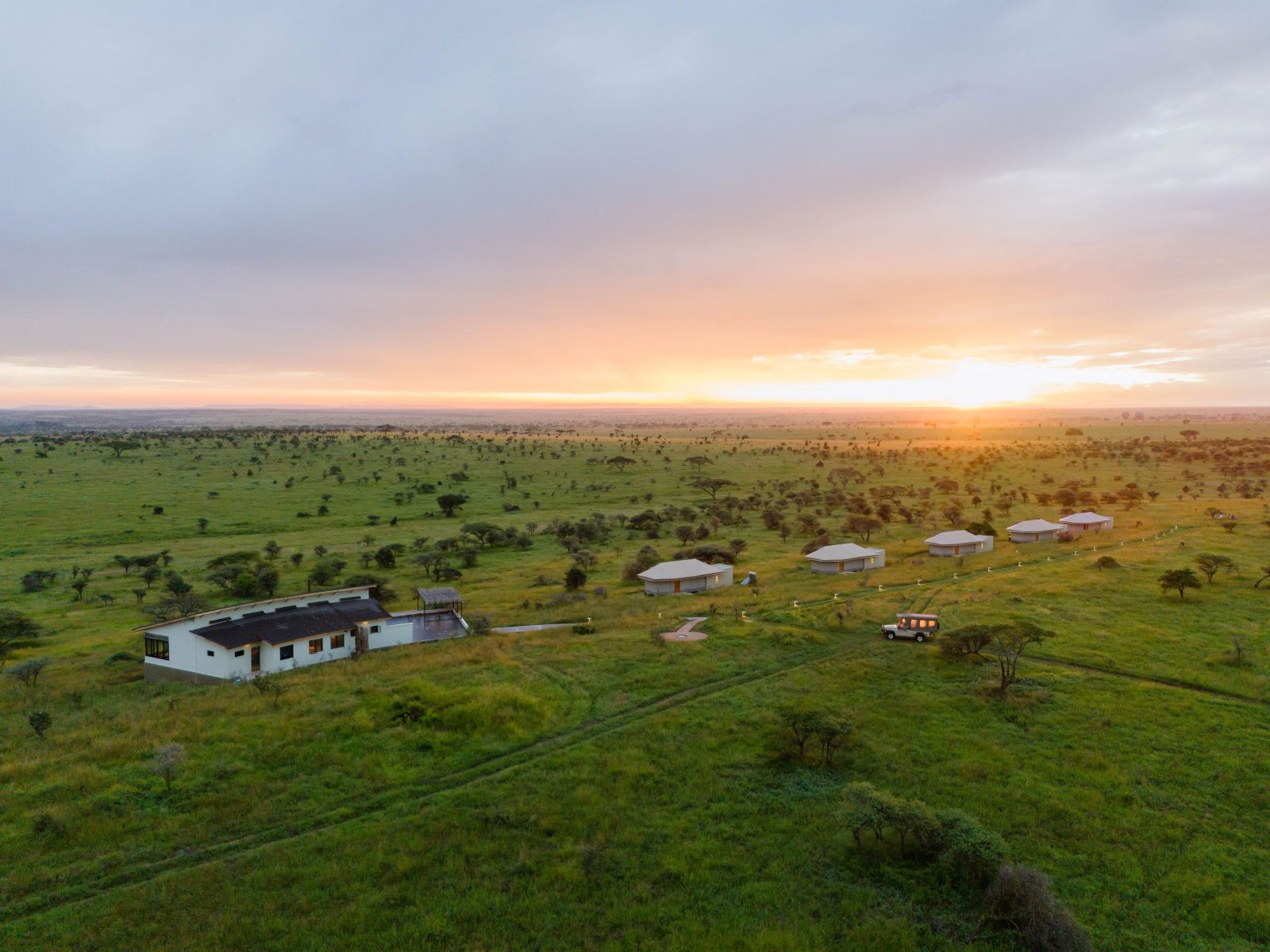
Salinero Serengeti is a permanent luxury camp in Seronera, in the heart of the Serengeti, on the former Sero 3 campsite. It has seven luxury tents that mix the feel of a classic safari with the comfort of a five-star lodge.
• Tents: King or twin beds, indoor and outdoor seating, and an open-air bathroom under acacia trees. A family room is available.
• Comforts: Pillow menu and fine linens, outdoor shower, in-tent mini bar and complimentary water, and binoculars, boots and sun protection in every tent.
• Food and drinks: A camp bar with wines, cocktails and spirits, bush breakfasts and lunches on the plains, and bush dinners.
• Relaxing: Infinity swimming pool, modern gym and a spa with facials.
• Evenings: Bonfire nights with sundowners, and satellite Wi-Fi in the main camp.
Best for: Travellers who want to wake up inside the Serengeti, honeymooners, families and photographers.
Moshi and Serengeti at a Glance
• Salinero Kilimanjaro: A modern low-rise hotel with gardens on Lema Rd, Moshi. It has 23 standard rooms, 4 executive rooms, a spa, swimming pools and 3 conference rooms. It is ideal for arrival, recovery and events.
• Salinero Serengeti: A permanent luxury tented camp in Seronera, central Serengeti. It has 7 luxury tents, an infinity pool, a wine bar and bush dining. It is ideal for game drives and living in the bush.
Our tip: Many guests start with a night in Moshi, go on safari, then return to Moshi to rest before flying home.
“Every safari begins with a plan, but it is remembered for the moment the wild surprises you.”
Why Choose Us
Planning a trip to a new country takes trust. Here is why travellers choose Salinero Hotels. Two great locations: Stay near Mount Kilimanjaro in Moshi and in the heart of the Serengeti, with one team to help you plan both.
Warm, friendly service: Guest reviews often praise our staff for being kind, professional, and helpful, including opening breakfast early for climb pick-ups.
Clean, quiet and comfortable rooms: Guests tell us they enjoy the peace, space and comfort of their stay.
Facilities that make travel easier: Airport transfers, Wi-Fi, secure parking, laundry, a spa and swimming pools are all in one place.
A true safari feel with real comfort: In the Serengeti, you can enjoy bush meals, bonfire evenings and the sounds of the wild, then rest in a comfortable tent with fine linens.
Flexible for every traveller:We welcome solo travellers, couples, families, groups, climbers, honeymooners and business guests.
Space for events: Our Moshi hotel has conference rooms and a large garden for meetings and celebrations.
Easy, direct booking: Write to us with your dates and questions, and our team will reply with clear answers and a written confirmation.
When you stay with us, you get more than a room. You get a team that wants your Tanzania trip to run smoothly from the first day to the last.
Start Planning Your 2027 Tanzania Safari with Salinero Hotels The best safaris begin with early planning. Whether you want a peaceful stay in Moshi at the foot of Mount Kilimanjaro or a luxury tent in the central Serengeti, our team will help you plan a smooth and unforgettable trip.
Stay where this was written
Book now: • Website: www.salinerohotels.com • Email: bookings@salinerohotels.com • Salinero Kilimanjaro: Salinero Avenue, Lema Rd, Moshi • Salinero Serengeti: Seronera, Serengeti Send us your 2027 travel dates today and let us help you plan your Tanzania safari.
Check datesQuestions guests ask us
1. When is the best time for a Tanzania safari in 2027?
The dry season, from June to October, is the most popular time for game viewing. January to March is great for calving, and the green season offers fewer visitors and lower prices.
2. How many days do I need for a safari?
We recommend 5 to 7 days for most first-time visitors. The minimum is 3 days, but a longer trip lets you enjoy the parks without rushing.
3. What documents do I need to visit Tanzania?
You need a valid passport and a visa, if required for your nationality. You may also need a yellow fever certificate, depending on your travel route. Carry your insurance, flight tickets and booking confirmations too.
4. What should I wear on safari?
Wear light, neutral-coloured clothes, and bring warm layers for cool mornings. Add a hat, sunscreen, comfortable shoes and insect repellent. Avoid camouflage clothing.
5. Where should I stay before and after my safari?
Moshi is a calm place to rest near Mount Kilimanjaro. Salinero Kilimanjaro offers rooms, a spa, swimming pools, restaurants and airport transfers. For your safari stay, Salinero Serengeti offers luxury tents in the heart of the Serengeti.
Sources
- Salinero Hotels (accessed 17 November 2026)
Read next


