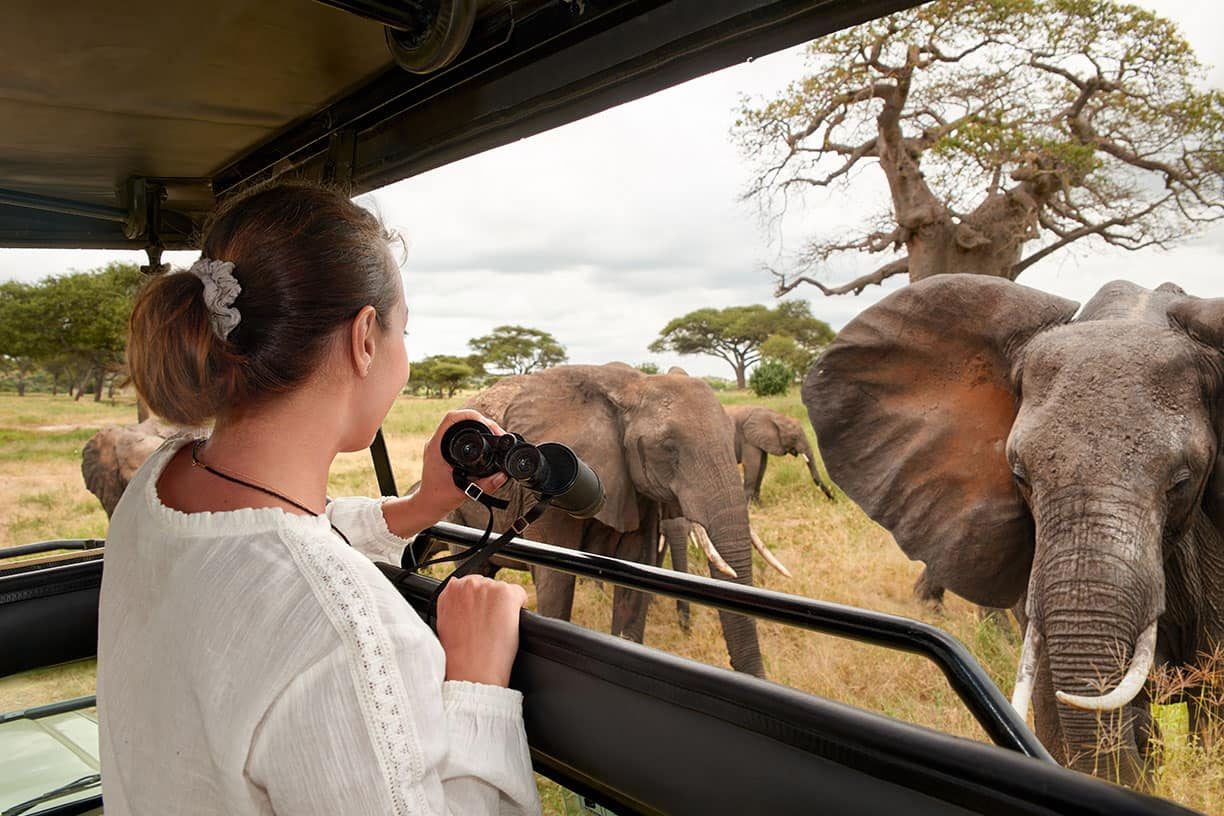
A first safari in Tanzania is the kind of trip people talk about for years. You watch elephants walk past baobab trees and lions rest in the grass, and the plains seem to go on forever. But a good trip doesn’t happen by accident. You have to decide which parks to visit, when to go, how to get around, and what to pack, and first-timers often trip up on one of these. This guide covers what you need to know to plan a smooth, safe, and enjoyable first safari.
1. Start with the Northern Circuit.
Tanzania has several safari regions, but the Northern Circuit is the best place to begin. The roads are better, the wildlife is dense, and the scenery is famous for good reason. It also gives you a strong chance of seeing the Big Five: lion, leopard, elephant, rhino, and buffalo. Serengeti National Park: Wide open savannah, plenty of predators, and the Great Wildebeest Migration. Ngorongoro Crater: A UNESCO World Heritage site and the largest intact volcanic caldera in the world. Over 25,000 large animals live inside its walls. Tarangire National Park: Known for its large elephant herds and its old baobab trees.
2. When to Go.
You can visit Tanzania all year. Each season offers something different, so choose the one that fits what you most want to see. Dry season (June to October): Skies are clear, the grass is short, and animals gather around the few remaining water sources. This is the classic time for game drives. Calving season (December to March): The landscape turns green, and the air is fresher. Crowds are smaller. In the southern Serengeti and Ndutu area, hundreds of thousands of wildebeest give birth, and predators follow. Rainy months (November and April to May): Showers are usually short and local. You get lush scenery, moody skies for photography, and better prices, and the wildlife is still excellent.
3. Mix Wild Camps with Comfortable Hotels.
Where you sleep affects how your days feel. The best itineraries combine a tented camp inside the park with a comfortable hotel at either end of the trip. Staying inside the park lets you be out at first light, when predators are most active, and day-trippers haven’t arrived. A proper hotel before and after the safari gives you time to rest, wash off the dust, and sort through your photos before heading home.
4. In the Heart of the Wild: Salinero Serengeti Tented Lodge.
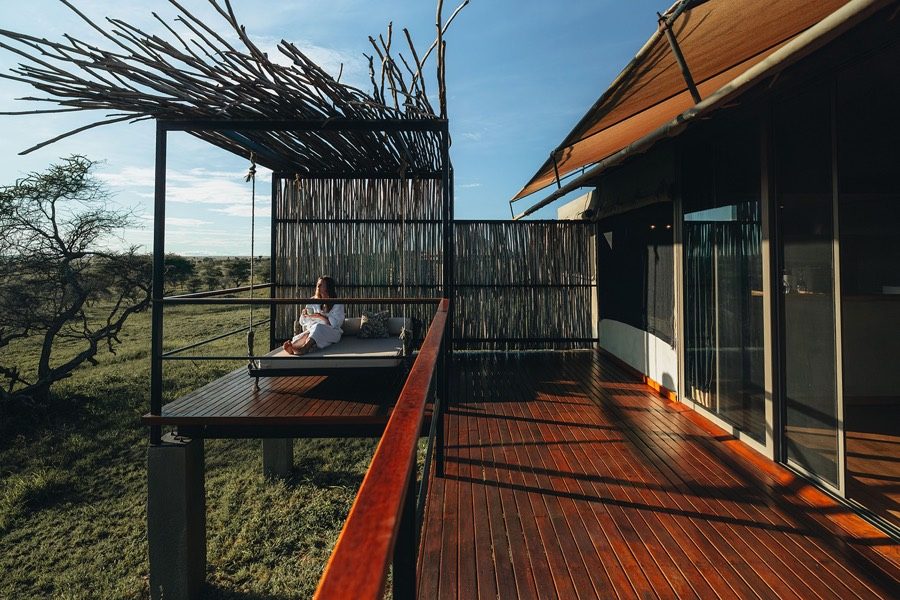
Being out in the wilderness doesn’t mean going without comfort. Salinero Serengeti Tented Lodge sits in the central Serengeti at Seronera, with open plains around you and wildlife close by. Each canvas suite has its own en-suite bathroom, a comfortable bed, soft lighting, and hot showers. After a long day on the track, guests gather around the campfire and listen to the sounds of the bush at night. The staff looks after you well, and the food is good.
5. Your Base Near the Mountain: Salinero Kilimanjaro Hotel.
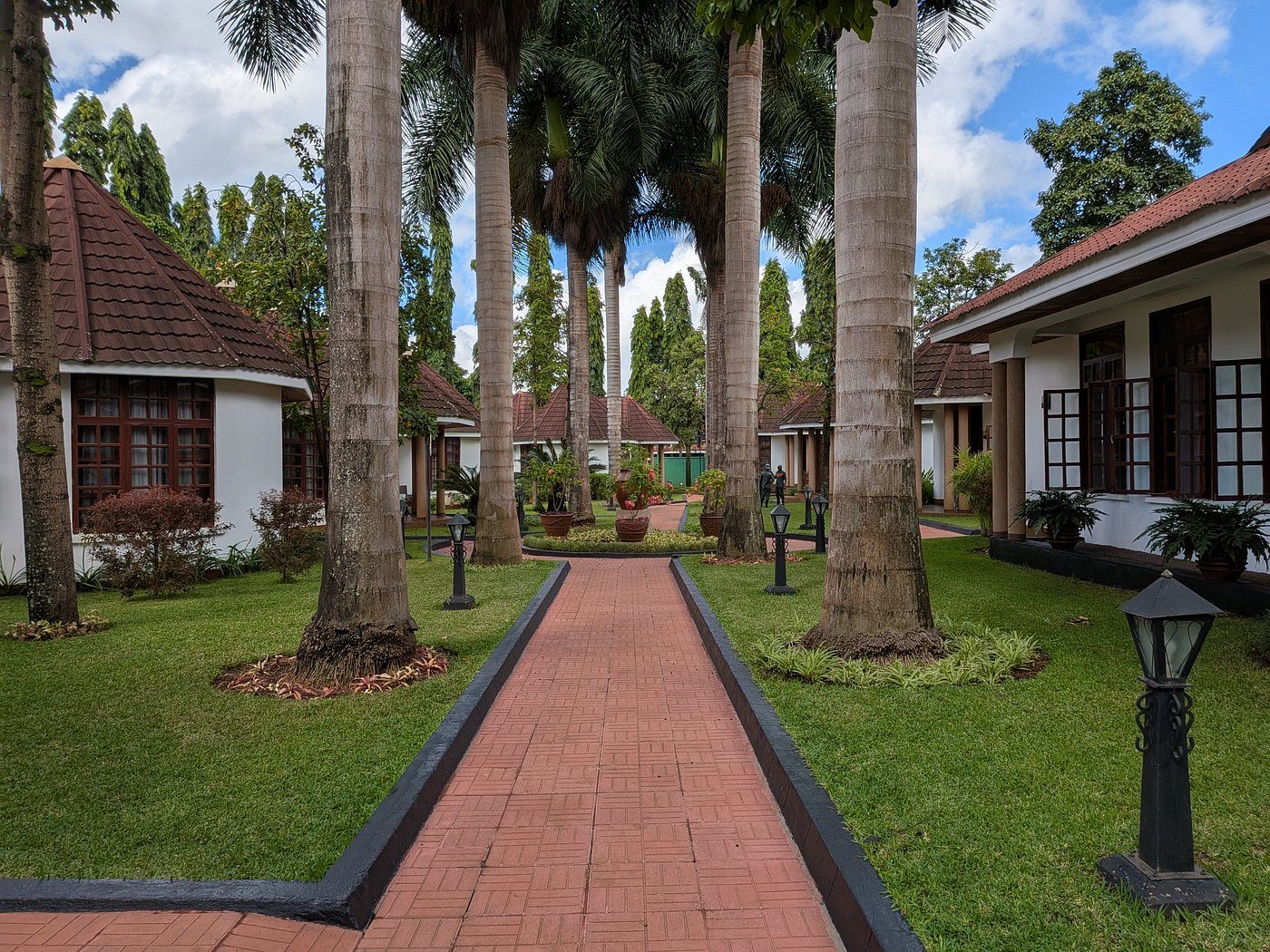
After a long flight into Kilimanjaro International Airport (JRO), or after climbing Mount Kilimanjaro, you will want a proper rest. Salinero Kilimanjaro Hotel in Moshi is a good place to do it, both before and after your safari. Write on Medium The hotel has well-kept tropical gardens, air-conditioned rooms, a clean swimming pool, and a menu of international and local dishes. It is a quiet place to get over jet lag before your first early game drive, or to unwind before you fly home.
6. Pack Smart.
First-time visitors often arrive with hard-shell rolling suitcases, and that causes problems. Luggage: Small bush planes, such as those run by Coastal Aviation and Auric Air between Seronera and Arusha, have limited space in their cargo pods. Rigid suitcases won’t fit. Bring a soft duffel bag with no frame, and keep the total weight under 15 kg (33 lbs). Clothing: Pack light layers in neutral colours like khaki, tan and olive. Avoid dark blue and black, which attract tsetse flies in wooded areas.
7. Choose a Private 4x4 and a Good Guide.
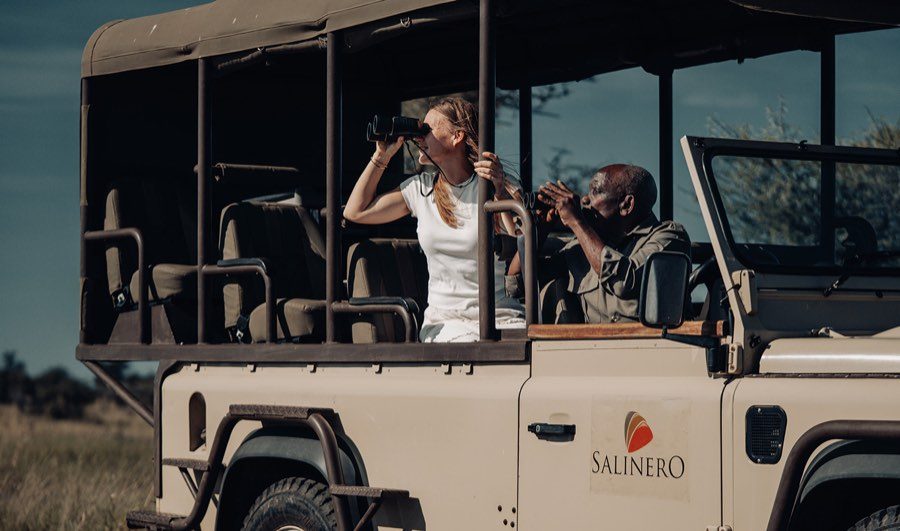
Your driver-guide will shape your safari more than anything else. A private Toyota Land Cruiser with a pop-up roof, big windows, charging sockets, and a fridge is far more comfortable on rough ground than a budget minivan. It also copes much better with muddy tracks in the wet season. A good local guide makes a big difference. They can track animals, read their behaviour, and find the right spot at the right moment, and the wilderness becomes much more interesting with someone explaining it.
8. Add a Buffer Day.
Long flights, delays, and time-zone changes tire you out. If you go straight from a 15-hour journey to a 6:00 AM game drive, you will probably be exhausted by midday. Plan at least one extra night in Moshi or Arusha when you arrive. It gives you time to rest, meet your safari team, check your gear, and start the first drive with energy.
9. Safety and Health.
Tanzania is considered one of the safer and more stable travel destinations in Africa. Still, a few precautions are worth taking. In camp: Bush lodges and tented camps provide security escorts, often local Maasai guards, who walk guests to and from their rooms after dark. Follow your guide’s instructions and never walk alone at night. Health: See a travel clinic well before you go to ask about vaccinations (yellow fever may be required, depending on your route) and malaria prevention. Drink only bottled or purified water.
Health & Safety.
- Take Time for the People and Culture
A safari is about more than animals. Learning about Tanzania’s people and traditions makes the trip richer. Consider a guided visit to a local community, such as a Maasai village or a cultural tour at the foot of Mount Kilimanjaro. Buy crafts directly from local artisans, ask before you photograph anyone, and learn a few Swahili phrases. “Jambo” means hello, and “Asante sana” means thank you very much. People notice the effort and appreciate it.
Ready to Plan Your Trip?
A first safari should be exciting, not stressful. Choose your route carefully, travel with a good guide, and stay somewhere comfortable, and you will come home with memories that last. Whether you want luxury tented accommodation in the middle of the Serengeti or a quiet hotel near Mount Kilimanjaro, Salinero Hotels can help with warm hospitality, personal service, and support for your whole safari. To start planning, contact the Salinero Hotels team, and we will build an itinerary around you: bookings@salinerohotels.com | www.salinerohotels.com
Read next


