At a glance
- Dress in layers.
- Mornings are cool, afternoons warm to hot, evenings cool again.
- Bring binoculars.
- Many guests say they improve a safari more than any other item.
- Protect against sun and dust.
- Hat, sunglasses, high-SPF sunscreen and a light scarf or buff.
- Choose neutral colours.
- Khaki, olive, beige and tan. Camouflage is not allowed in Tanzania
- Leave plastic bags at home.
- Tanzania bans them.
Cite as: Salinero Hotels, “What to Pack for a Serengeti Safari: The Complete Guide for First-Time Visitors.”, https://salinerohotels.com/j/dvnug, verified 26 October 2026.
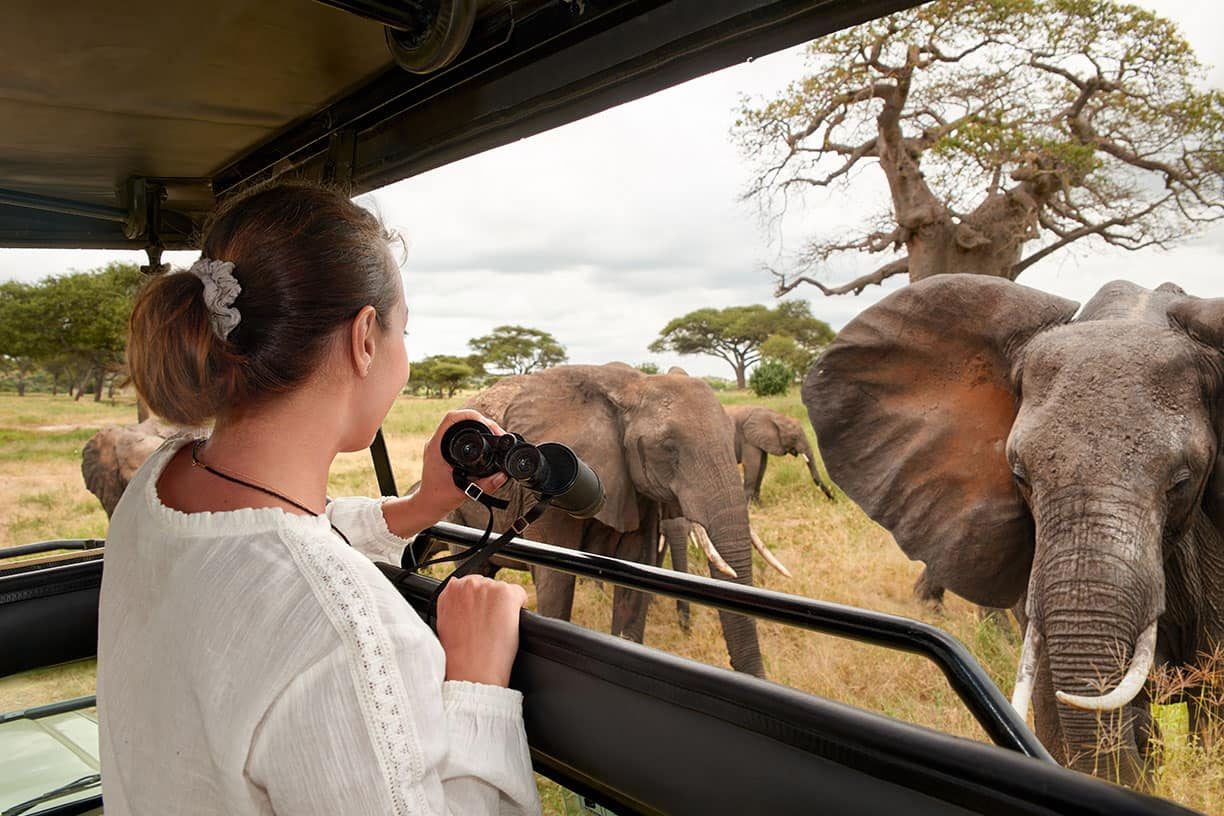
A Serengeti safari is the kind of journey people plan for years. Packing for it is simpler than most first-time visitors expect, but a few thoughtful choices make a real difference to your comfort. Mornings on the plains are cold, midday is hot and dusty, and evenings cool down again. This guide explains what to bring, what to leave at home, and how to travel light, so you can spend your time watching lions, elephants, and the great wildebeest herds. Press Enter or click to view image in full size.
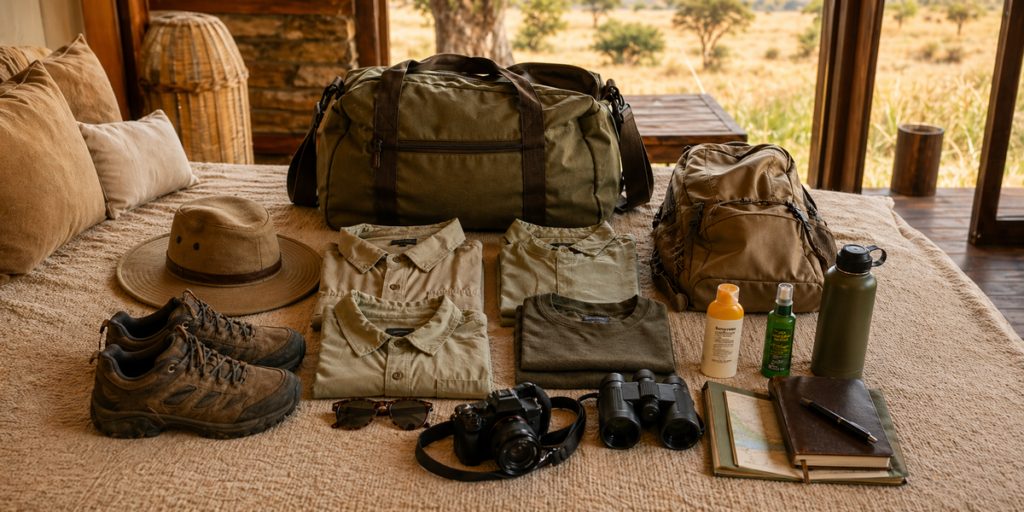
Safari Packing Checklist.
At a Glance Dress in layers. Mornings are cool, afternoons are warm to hot, and evenings are cool again. Choose neutral colours. Khaki, olive, beige and tan work best. Camouflage clothing is not allowed in Tanzania. Protect against sun and dust. Bring a hat, sunglasses, high-SPF sunscreen and a light scarf or buff. Pack in soft-sided bags. Light aircraft have strict baggage allowances, often around 15 kg per person. Leave plastic bags at home. Tanzania bans them. Bring binoculars. Many guests say they improve a safari more than any other item.
Know the Serengeti Before You Pack
Weather and Altitude The Serengeti sits at an altitude of about 1,500 metres, so it is cooler than many visitors expect. Early game drives in an open vehicle can feel chilly, while the afternoons are warm to hot. Plan to dress in layers and remove them as the day heats up.
> "Knowing what to pack for a Serengeti safari means more time watching lions and less time worrying about luggage. Layers, neutral colours and soft bags are all a first-time visitor needs." Salinero Hotels Team, Tanzanian-owned since 2001
Seasons at a Glance
Calving Season Months: January to February What to Expect: Large herds and many newborn animals on the southern plains. Packing Focus: Light layers and a rain jacket for occasional showers.
Long Rains Months: March to May What to Expect: Lush scenery with some heavy showers. Packing Focus: Waterproof layers and quick-dry clothing.
Dry Season Months: June to October What to Expect: Clear skies, cool mornings, and excellent game viewing. Migration herds reach the northern Serengeti, and the Mara River crossings take place. Packing Focus: Warm layers for early mornings, plus sun and dust protection.
Short Rains Months: November to December What to Expect: Green landscapes and fewer visitors. Packing Focus: A light rain jacket.Clothing Checklist Aim for light, breathable layers that dry quickly and wash easily.
Choosing Colours
Choose khaki, olive, beige, tan, and soft brown. These shades hide the dust and do not stand out to wildlife. Avoid black and dark blue, which can attract tsetse flies, and bright white, which gets dirty quickly. Camouflage clothing is not allowed in Tanzania, so leave it at home.
What to Bring 2 to 3 long-sleeved lightweight shirts (they also protect from sun and insects) 2 to 3 T-shirts or breathable tops 2 pairs of lightweight long trousers 1 pair of shorts 1 warm fleece or light down jacket for early mornings and evenings 1 light rain jacket
Comfortable sleepwear Underwear and socks for the whole trip, with quick-dry options if possible 1 swimsuit 1 smart-casual outfit for dinner (formal clothes are not needed)
Footwear Closed, comfortable walking shoes or light boots for game drives and any guided walks Sandals or flip-flops for your room and the pool
Sun and Dust Protection The equatorial sun is strong, even on cloudy days. A wide-brimmed hat or cap Sunglasses (polarised lenses reduce glare) Sunscreen with a high SPF, and lip balm with sun protection A light scarf or buff to cover your nose and mouth when it gets dusty
Photography and Wildlife Viewing Camera and zoom lens. A lens of 200 to 400 mm works well for wildlife. A smartphone is fine for scenery and camp photos. Binoculars. An 8x42 pair is a good all-round size. Ask your camp or operator whether binoculars are provided so you can decide whether to bring your own. Spare batteries and memory cards. Charging options in the bush can be limited. Power bank and plug adaptor. Tanzania uses Type D and G sockets at 230 V. Dust cover or soft cloth. Use it to protect your camera and phone on dusty tracks. Drones. Drones are restricted in Tanzania’s national parks and need permits, so do not pack one unless you have arranged this in advance.
Health and Personal Items Prescription medicine in your hand luggage, with a copy of the prescription Insect repellent Hand sanitiser and wet wipes Basic first-aid items (plasters, pain relief, antihistamines, stomach remedies) Personal toiletries A reusable water bottle Lip balm and moisturiser, because the air is dry Contact lenses or spare glasses if you use them
Vaccinations and Health Advice Before you travel, speak to your doctor or a travel clinic about vaccinations and malaria prevention. Depending on where you are travelling from, you may also need a yellow fever certificate. Entry requirements can change, so check the current rules before you depart.
Documents and Money Passport, valid for at least six months with blank pages Visa, if required for your nationality Travel insurance, ideally including medical evacuation cover Flight and booking confirmations Some cash in small notes for tips and small purchases. Many camps accept cards, but payment machines can be unreliable in remote areas.
A Note on Tipping Tipping is customary on safari. Ask your operator or camp for current guidance, and carry small notes in US dollars or Tanzanian shillings that suit the length of your stay, so that you can thank your guide, camp staff and drivers in person.
Luggage Tips Use soft-sided bags, not hard suitcases. They fit more easily into safari vehicles and small aircraft. Check the weight limit. Light aircraft flights to the Serengeti usually have a strict baggage allowance, often around 15 kg per person including hand luggage. Confirm this with your booking agent. Do not bring plastic bags. Tanzania bans them, and they can be confiscated on arrival. Pack light. Laundry service is available at many camps, so you do not need a different outfit for every day. Keep valuables with you, not in checked luggage.
What to Leave at Home
Camouflage clothing Plastic carrier bags Heavy, formal or very bright clothing Expensive jewellery Drones, unless you have permits Too many shoes. Two pairs plus sandals are enough.
Safari Etiquette: A Few Simple Rules
Follow your guide’s instructions at all times, especially around wildlife. Keep your voice low and avoid sudden movements near animals. Stay inside the vehicle unless your guide says it is safe to step out. Never feed or approach wild animals. Take all rubbish with you, and leave nothing behind in the park.
Combining Kilimanjaro and the Serengeti
Many of our guests climb Mount Kilimanjaro and then go on safari. If you are doing both, pack your trekking gear in a separate bag and leave it with us in Moshi, at Salinero Kilimanjaro or Salinero Millie Lodge, while you travel to the Serengeti with lighter luggage. When you return, you can enjoy a hot shower, a spa treatment, and a proper rest before flying home.
Where Our Serengeti Camp Is
Our permanent luxury camp is in Seronera, in the central Serengeti, one of the most rewarding areas of the park for game viewing throughout the year. The Seronera region is well known for lions, leopards, cheetahs, elephants, giraffes, and large herds of plains game, which makes it an excellent base for first-time visitors.
The camp offers five luxury canvas tents, combining a traditional safari feel with the comforts of a five-star lodge. After a day of game drives, our guests can relax with: An infinity swimming pool to cool off after dusty drives A spa for massages and facials A modern gym if you like to keep up your routine A wine cellar and camp bar for an evening glass after sundown Because the camp provides these comforts, you can pack lighter and focus on the wildlife.
Stay where this was written
Plan Your Serengeti Stay With Us Our team can help with packing questions, transfers, itineraries, and combined Kilimanjaro and Serengeti trips. Email: bookings@salinerohotels.com Website: www.salinerohotels.com
Check datesQuestions guests ask us
What colours should I wear on a Serengeti safari?
Khaki, olive, beige, and tan. Avoid black and dark blue, which attract tsetse flies, and leave camouflage at home, as it is not allowed in Tanzania.
How cold does it get on a Serengeti game drive?
Early mornings in an open vehicle can feel chilly at about 1,500 metres, while afternoons are warm to hot. Pack a fleece or light down jacket and dress in layers.
What luggage should I bring for a Serengeti safari?
A soft-sided bag, not a hard suitcase. Light aircraft often limit baggage to around 15 kg per person, including hand luggage.
Do I need binoculars on safari?
They are strongly recommended. An 8x42 pair is a good all-round size, but ask your camp or operator whether binoculars are provided.
Read next